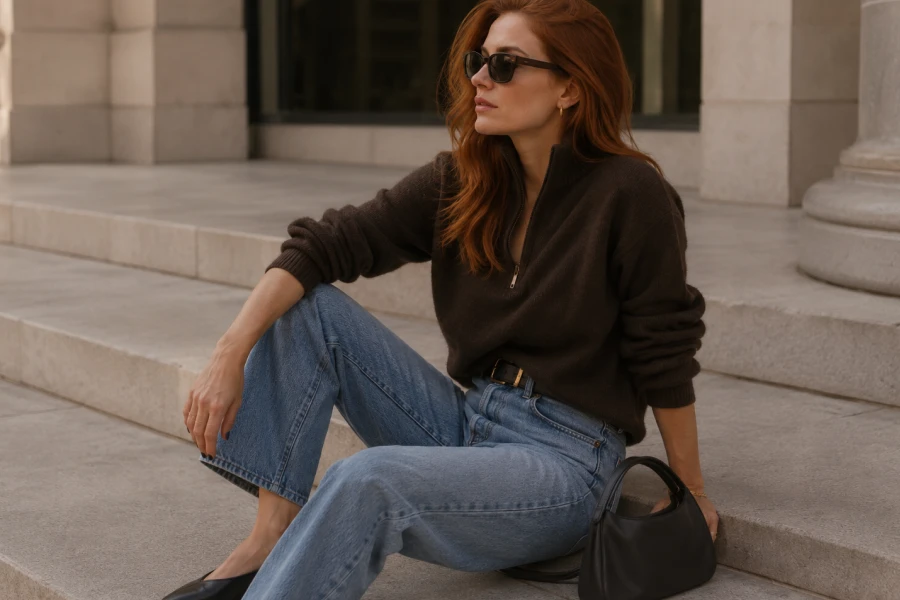
Practical city style is about looking composed while dressing for a life that rarely stays still. A city day can include walking, commuting, working, social plans, errands, and weather changes. Clothing must support all of that without feeling purely functional. The strongest looks combine ease with intention. They respect comfort, but they do not abandon polish. They also understand that style is affected by movement. A jacket should sit well while walking. Shoes should hold up on pavement. A bag should carry what matters. When these details work together, the outfit feels ready before the day even begins.
Function is not the opposite of style. In a city, it is the foundation. Clothes must handle distance, transit, temperature changes, and long hours. If an outfit fails physically, it will not feel stylish for long. A wearable city fashion plan starts with comfort, then adds polish. This order creates better results. You choose shoes that work, layers that adapt, and fabrics that move. After that, color and accessories can refine the look. Practical choices make confidence easier to maintain.
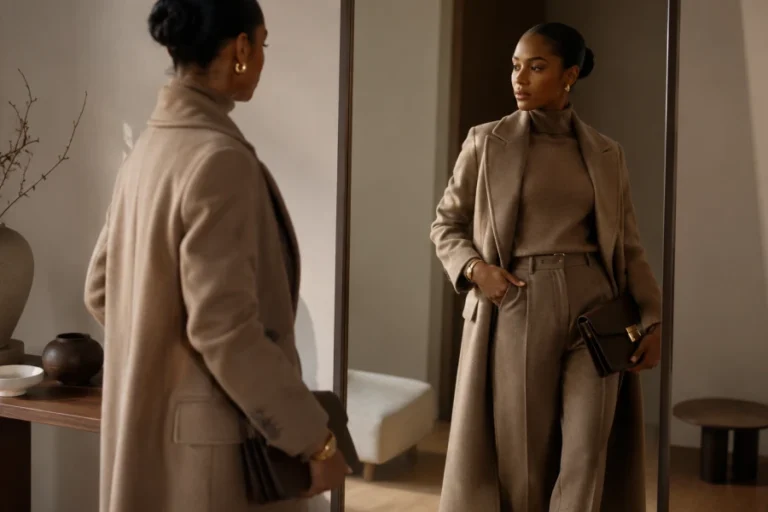
Layers are essential because city environments change constantly. Outside may feel cold, while transit feels warm. Offices can be chilly, and restaurants can feel crowded. A reliable layer solves these shifts. Trench coats, blazers, cardigans, overshirts, cropped jackets, and lightweight puffers can all work. Choose layers that match several outfits. A city outfit wardrobe becomes more useful when outerwear is planned, not random. The right layer adds structure and solves weather problems. It also creates a finished look with very little effort.
Fabric determines how an outfit behaves throughout the day. Cotton breathes well but may wrinkle. Wool blends can look polished and resist creasing. Denim is durable, but heavy pairs may feel stiff. Knits add comfort, though they need enough structure to avoid looking tired. Technical fabrics can help with weather, but they should still fit your style. Think about sitting, walking, carrying bags, and changing temperatures. A beautiful piece that becomes uncomfortable after one hour is not practical. City wardrobes need fabrics that support repetition. The best items look good at morning and still work at night.
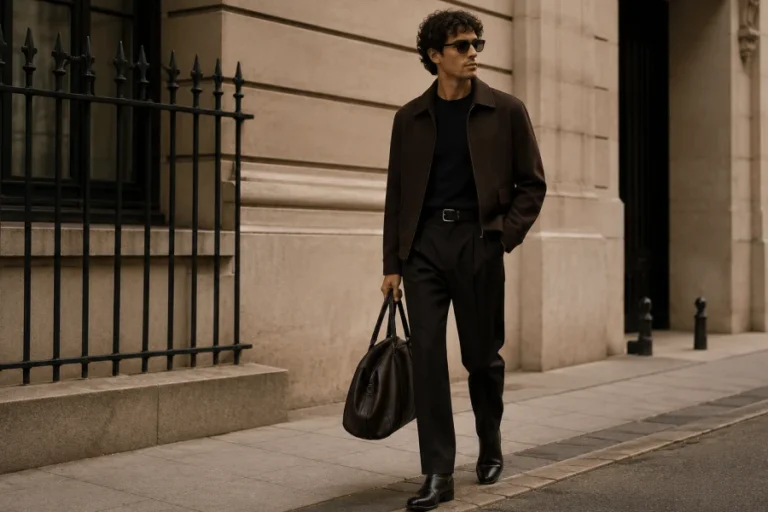
Commuting places special demands on clothing. Shoes need support, bags need organization, and layers need flexibility. A sleek sneaker, straight trouser, knit top, and trench can handle many commutes. A backpack can work if it looks clean and fits the outfit’s mood. A crossbody can keep essentials close. A commuter style strategy keeps the outfit from feeling accidental. It also reduces daily frustration. When every item has a job, the commute becomes less disruptive to your style and your mood.
Neutrals are useful in city wardrobes because they mix quickly. Black, navy, gray, camel, cream, olive, and denim can create many combinations. However, practical style does not require avoiding color. It requires using color with purpose. A red sweater, blue coat, or green bag can become a signature detail when the rest stays controlled. Choose colors that repeat naturally in your closet. This makes outfits easier to build. Random color creates more work. Intentional color creates personality. The strongest city wardrobes usually have a steady base and a few expressive accents.
After-work plans are easier when outfits have adaptable polish. A blazer can sharpen a simple tee. A structured bag can elevate denim. Jewelry can shift a basic dress toward evening. Shoes matter here too. If they only work for the commute, the look may feel unfinished later. A day-to-night city outfit should not require a full change. It needs pieces that can change mood with small adjustments. This saves time, space, and energy. It also keeps style consistent across the whole day.
City outfits already compete with a visually busy environment. Too many details can make a look feel heavy. Choose one focal point, then let the rest support it. The focal point might be a coat, shoe, bag, silhouette, or texture. Avoid layering every trend at once. Practical style looks strongest when edited. It gives the viewer one clear idea. It also makes the outfit easier to wear. You should not need constant adjusting, fixing, or checking. If clothing demands too much attention, it is not serving the day well.
Start with your weekly routine. Identify the three situations you dress for most often. Then build one formula for each. For example, use trousers, knit, trench, and sneakers for commuting. Use denim, blouse, blazer, and loafers for casual workdays. Use a dress, boots, and jacket for dinner plans. Test each formula in real life. Adjust based on comfort and confidence. Over time, your wardrobe becomes less random. You will know what works before the day begins. That is when practical style starts feeling effortless, personal, and genuinely useful.

Leave a comment