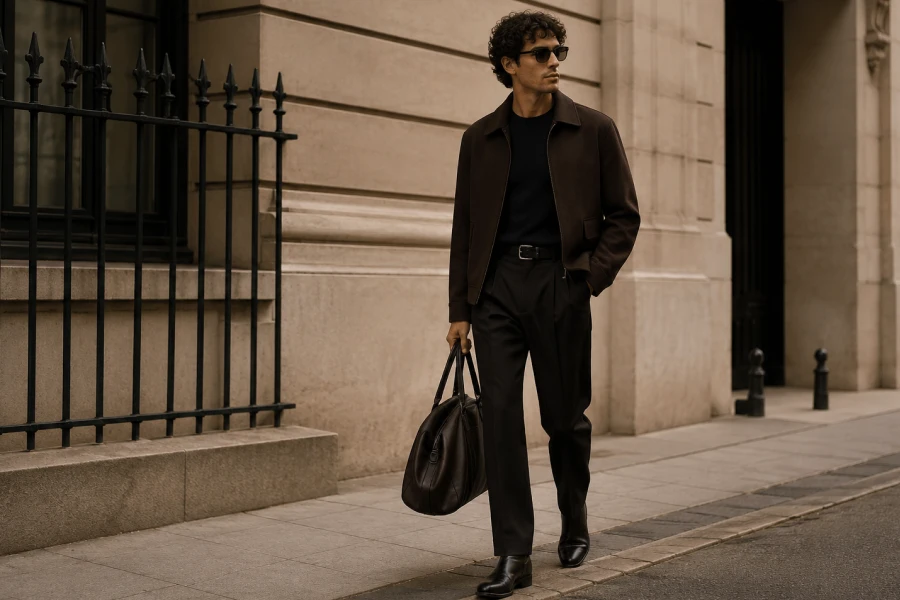
Urban fashion outfits need to look sharp, move easily, and survive long days outside the house. City dressing is different because the outfit must handle more transitions. A morning commute can become a meeting, a coffee stop, errands, dinner, and a late train home. Clothing needs structure, comfort, and enough personality to feel intentional. The strongest city looks are not overdone. They combine practical pieces with a polished point of view. A clean jacket, comfortable shoe, useful bag, and well-cut base can carry the entire day. When the outfit works, the city feels easier to navigate.
Movement should shape every city outfit. You may walk more than expected, climb stairs, stand in lines, or sit through long commutes. Clothes that look good only while standing still will fail quickly. Choose fabrics with comfort, shoes with support, and layers that adapt. A city-ready wardrobe balances function with polish. It lets you move without looking careless. This is the core of modern urban style. The pieces serve the day first. Then they create the look. Practicality becomes part of the aesthetic.
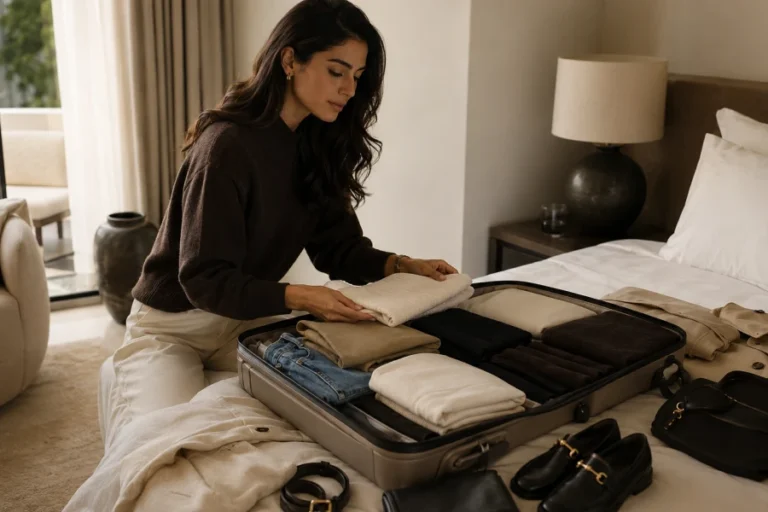
Strong basics give urban outfits their foundation. Straight-leg denim, tailored trousers, clean tees, button-down shirts, knit tops, blazers, and practical jackets all work well. These items can shift mood with styling. Sneakers make them casual. Boots make them sharper. Jewelry and bags add personality. A practical urban style system helps basics feel intentional instead of plain. Fit matters more than quantity. A great pair of trousers can do more than five weak options. City wardrobes become stronger when the essentials are chosen carefully.
Shoes are the real test of city dressing. They need to look good and carry you through uneven sidewalks, long stations, and unexpected detours. Clean sneakers, loafers, ankle boots, flat sandals, and low block heels can all work depending on the city and season. The key is honest comfort. Pain changes posture, mood, and confidence. A beautiful outfit loses power when the shoes are wrong. Test shoes before relying on them for a full day. Keep proportions in mind too. Chunkier shoes balance wide trousers. Sleeker shoes sharpen relaxed denim. The right pair grounds everything.
City days often blur professional and personal plans. Outfits need to adapt without requiring a full change. A blazer over a knit top can work at a desk and later at dinner. Trousers with sneakers feel modern during the day, then sharper with jewelry and a better bag. A dress can become more casual with a jacket or more polished with boots. A confident city outfit plan supports those shifts. The goal is not perfection. It is readiness. Good city style keeps options open.
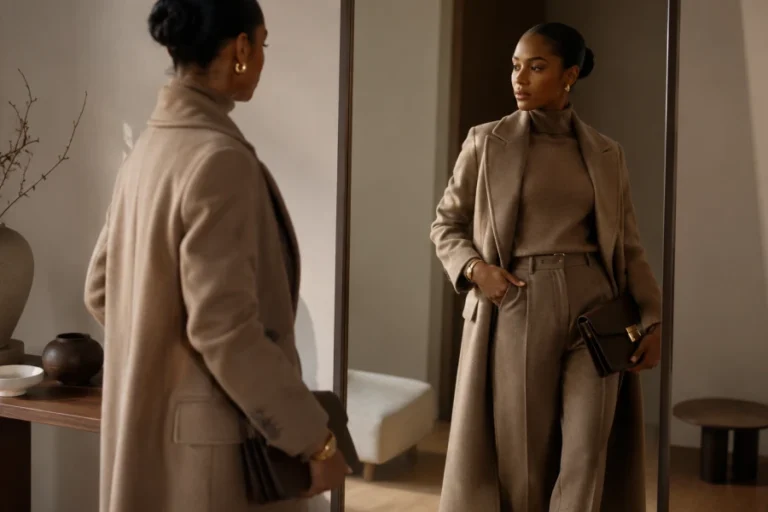
Layering matters because city temperatures can change quickly. Streets, offices, trains, restaurants, and shops may all feel different. A light jacket, trench, cardigan, vest, or overshirt helps the outfit adapt. The layer should work open and closed. It should also fit over the base without ruining the shape. Pockets are useful. Breathable fabrics help. A strong layer can make a simple outfit look more complete. It also gives you control when the day changes. City dressing rewards pieces that solve problems while still looking polished.
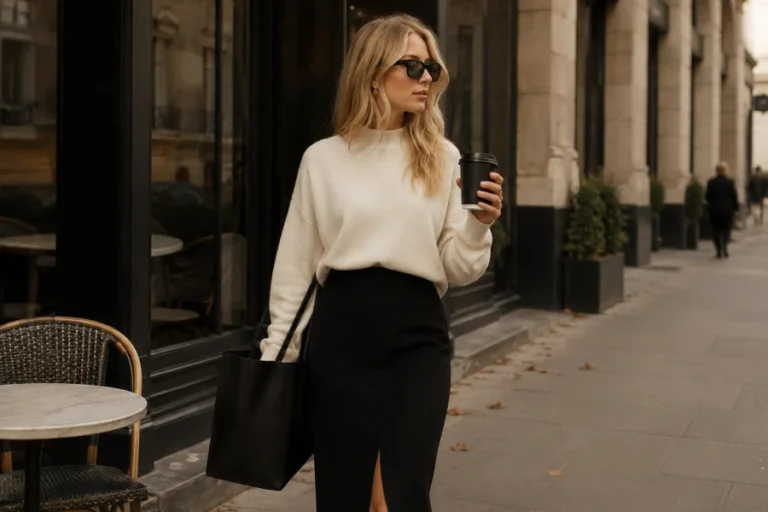
Accessories carry both style and function in the city. A structured tote can hold work items without looking bulky. A crossbody keeps hands free. Sunglasses, belts, jewelry, and scarves can shift the mood quickly. Choose accessories that match your pace. If you commute, closure and comfort matter. If you walk often, weight matters. If your day runs into evening, polish matters. A modern city wardrobe becomes easier when accessories have real purpose. They should not just decorate the outfit. They should support the life inside it.
Clean city style depends on contrast. A simple outfit needs one interesting element. It might be a strong coat, unusual texture, sculptural bag, sharp shoe, or unexpected color. The rest can stay quiet. This keeps the outfit from looking crowded. Urban environments already create visual noise, so clothing often looks stronger when edited. Neutrals work well, but they need shape. Color works beautifully, but it needs control. Try one focal point at a time. This approach creates impact without effort. It also makes outfits easier to repeat in different ways.
Reliable formulas make city dressing faster. Try trousers, fitted top, blazer, and sneakers. Try denim, button-down, trench, and loafers. Try knit dress, boots, and a structured bag. Try wide-leg pants, slim tee, and cropped jacket. Repeat these formulas with different textures and accessories. They will not feel identical if the proportions are strong. City wardrobes improve through repetition. You learn which shapes handle your day best. Then you refine instead of starting over. The result is style that feels personal, practical, and ready for real movement.

Leave a comment