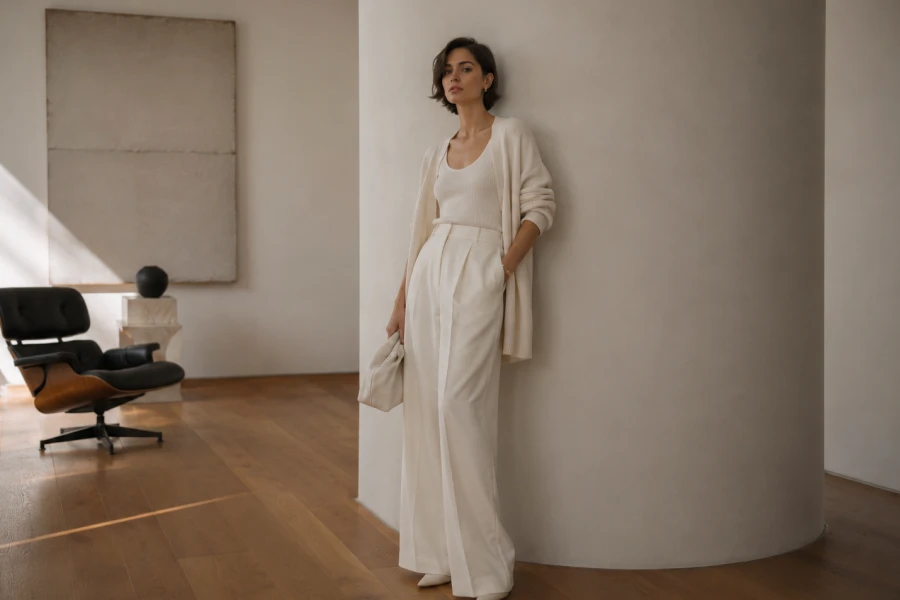
Monochrome styling tips can transform familiar pieces into outfits that feel more deliberate and refined. The method is simple, but the effect depends on careful choices. A tonal look needs shape, texture, and proportion to avoid feeling flat. It also needs confidence, because restraint can be more noticeable than bold color. When done well, monochrome dressing makes basics look stronger. It turns a sweater, trouser, coat, and shoe into a complete visual statement. The style works for workdays, weekends, travel, and evenings because it adapts easily. It also teaches better editing. You learn what supports the outfit and what distracts from it.
Fit becomes especially important when color is quiet. Without loud prints or contrast blocking, the eye notices shape first. Shoulders, sleeves, hems, waistlines, and shoe height all matter. A simple outfit can look expensive when the proportions feel intentional. Cropped jackets work well with higher waists. Long coats can sharpen narrow trousers. Relaxed knits need clean lines somewhere else. A polished neutral outfit depends on these small adjustments. Tailoring does not need to be dramatic. Sometimes a better tuck, cuff, or hem changes the entire impression.
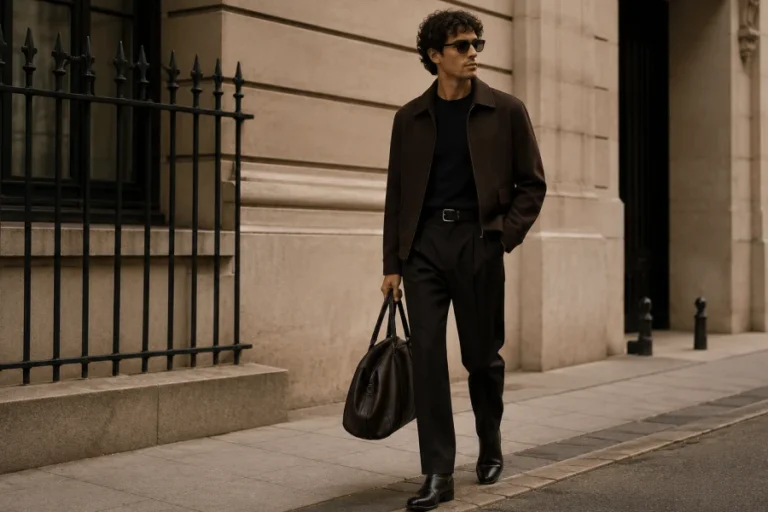
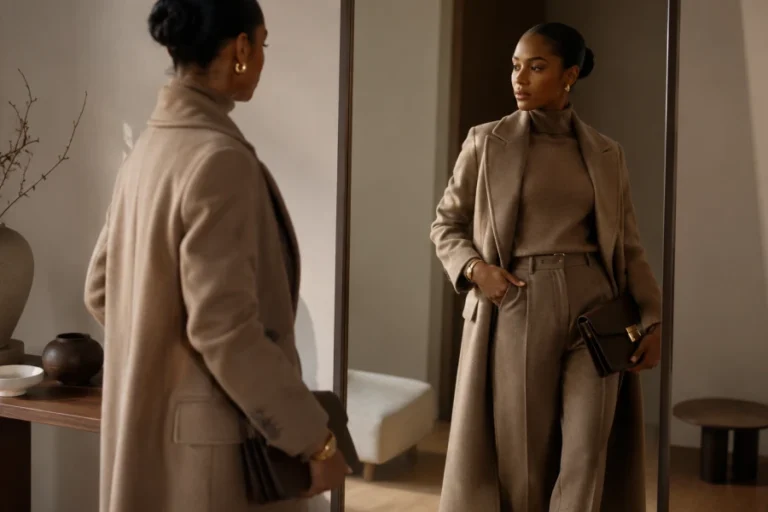
The best tonal outfits rarely match perfectly. They mix shades that look related but not identical. This makes the look feel natural, modern, and easier to build from a real closet. A stone blazer can sit beautifully with ivory denim. A charcoal coat can work with black boots and a slate sweater. Brown outfits become richer when espresso, cocoa, and tan appear together. The key is avoiding random undertones. Warm beige and cool gray can fight each other. A single-color outfit method keeps combinations clear. The shades should look like relatives, not strangers.
Texture is the easiest way to make monochrome look intentional. It creates visual interest while preserving the calm effect. Try wool with leather, cotton with suede, denim with cashmere, or satin with matte knits. Each surface catches light differently. That gives the outfit depth without adding another color. Texture also helps separate pieces that are close in shade. A black silk blouse and black wool trouser can feel distinct but connected. This is useful when building outfits from basics. You do not need many statement pieces. You need surfaces that create quiet movement.
Accessories should support the color story instead of interrupting it. Shoes, bags, belts, sunglasses, and jewelry can all stay tonal or gently contrasting. A cream outfit works with tan leather, pearl accents, and gold jewelry. A black outfit can handle silver, gunmetal, or glossy patent details. A navy outfit looks strong with dark brown or deep blue accessories. A clean styling system makes accessories easier to choose. One polished detail often beats several competing ones. The goal is not emptiness. It is focus, balance, and a finished mood.
Layers give monochrome outfits structure and rhythm. A long cardigan over straight trousers creates softness. A cropped jacket over wide-leg pants adds shape. A trench over a tonal column makes the body line look longer. The inner layer can stay slim while the outer layer brings movement. This is especially useful in cooler weather. It also helps when outfits need to move from office to evening. Layering should feel practical, not decorative. Each piece needs a reason. Warmth, proportion, polish, and comfort are all valid reasons. When layers work together, the outfit feels complete.
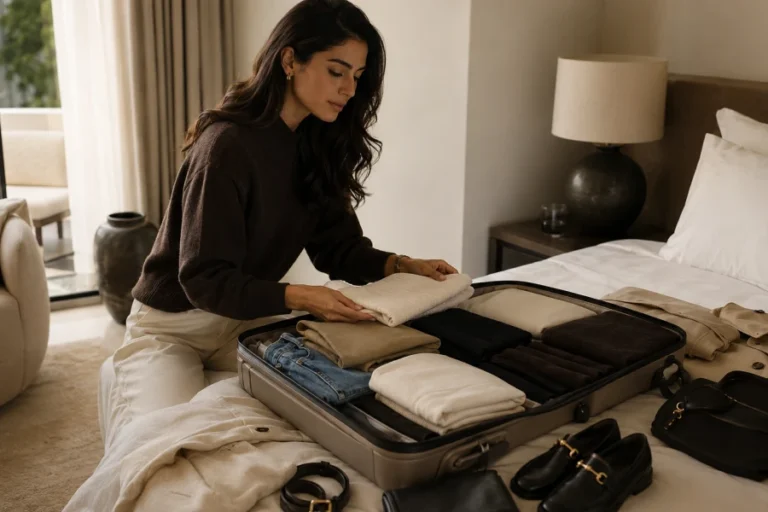
Basics become more powerful when they share a palette. A plain tee feels more intentional with tonal trousers and matching sneakers. Simple jeans feel more elevated with a related sweater and coat. Even loungewear can look polished when the colors stay controlled. This approach is useful for anyone who owns good basics but feels bored by them. Instead of buying more, restyle what already exists. Monochrome dressing reveals hidden combinations. It also reduces the need for trend-driven pieces. Your closet starts to feel calmer. The everyday outfit becomes less random and more deliberate.
Modern monochrome relies on ease. Avoid making every piece too perfect or too coordinated. A slightly oversized shirt, relaxed trouser, or casual sneaker can make the outfit feel current. Hair, makeup, and grooming also influence the final result. A polished outfit can still feel relaxed when one element is undone. Think of monochrome as a framework, not a uniform. Leave room for personality. Add one unexpected texture. Choose one interesting shape. Let the rest stay simple. This balance keeps tonal dressing from looking dated, stiff, or overly planned.
Start with formulas before trying complex looks. Try a tonal column with a matching coat. Try a knit and trouser in related shades. Try denim, a tee, and a jacket within one color family. Repeat each formula in different fabrics. Take photos and compare what feels strongest. This practice teaches proportion faster than theory. It also helps you identify missing wardrobe pieces. Maybe you need better shoes, a sharper jacket, or a softer base layer. Once the formulas work, styling becomes faster. You stop guessing and start refining. That is where effortless dressing begins.

Leave a comment